Tesla Approved Body Shop & Certified EV Collision Repair in Scottsdale, AZ
Serving Scottsdale, Paradise Valley, North Phoenix, and Fountain Hills, Kaizen Collision Center on E Raintree Drive is an official Tesla Approved Body Shop and premier electric vehicle collision repair facility. From minor cosmetic scuffs and paintless dent removal to complex structural aluminum frame restoration and high-voltage battery pack diagnostics, our factory-trained master technicians return your EV to exact manufacturer engineering tolerances.
Modern electric vehicles—including the Tesla Model S, Model 3, Model X, Model Y, and Cybertruck—demand a fundamentally different repair methodology than conventional internal combustion vehicles. Built with high-voltage lithium-ion architecture (up to 800V+), structural aluminum castings, and integrated Advanced Driver Assistance Systems (ADAS), any collision repair requires factory-certified tooling, OEM repair procedures, and manufacturer diagnostic software.
As an official partner in the Tesla Approved Collision Center network, Kaizen Collision Center Scottsdale exclusively utilizes 100% genuine Tesla OEM structural parts, factory weld-bonding adhesives, and computerized self-piercing rivets to preserve your vehicle’s factory warranty, structural safety, and resale value.

High-Voltage Safety Disconnect & NFPA 70E Compliance
Electric vehicle battery packs operate at lethal direct current voltages ranging from 400V to over 800V DC. Before any mechanical teardown, panel repair, or structural realignment begins, Kaizen’s certified technicians execute strict NFPA 70E electrical safety standards:
- De-Energization & Pyrofuse Disconnection: Technicians disengage the low-voltage pyrofuse loop and manual service disconnect (MSD) to isolate the high-voltage pack.
- Lockout/Tagout (LOTO) Protocols: The physical disconnect mechanism is secured in an authorized lockout box to prevent accidental energization during repairs.
- Zero-Energy State Physical Verification: Using CAT IV 1000V rated insulated multimeters and Class 0 1000V rated protective gloves, technicians physically probe busbars and high-voltage contactors to confirm zero electrical potential.
- Infrared Thermal Monitoring: High-resolution thermal imaging cameras scan battery enclosures for latent internal cell shorts or thermal runaway risks caused by collision impact.
Cleanroom Aluminum Structural Restoration & Rivet-Bonding
Tesla and luxury EVs utilize advanced lightweight aluminum unibody structures, extruded subframes, and mega-castings. Aluminum has no shape memory and cannot be repaired with conventional steel body shop equipment:
- Dedicated Cleanroom Isolation Bay: Structural aluminum work is conducted in a dedicated cleanroom bay with specialized positive-pressure air filtration and dedicated aluminum dust extraction to eliminate galvanic cross-contamination from airborne steel particles.
- Self-Piercing Rivets (SPR) & Structural Bonding: Factory body panels are joined using OEM aerospace-grade structural epoxy bonding and self-piercing rivets installed via computerized hydraulic rivet guns calibrated to precise Tesla tonnage and die profiles.
- Computerized 3D Laser Frame Bench: Vehicle chassis and suspension mounting points are realigned to factory digital blueprints with millimeter precision.
Pre- & Post-Repair Battery Diagnostics via Tesla Toolbox 3
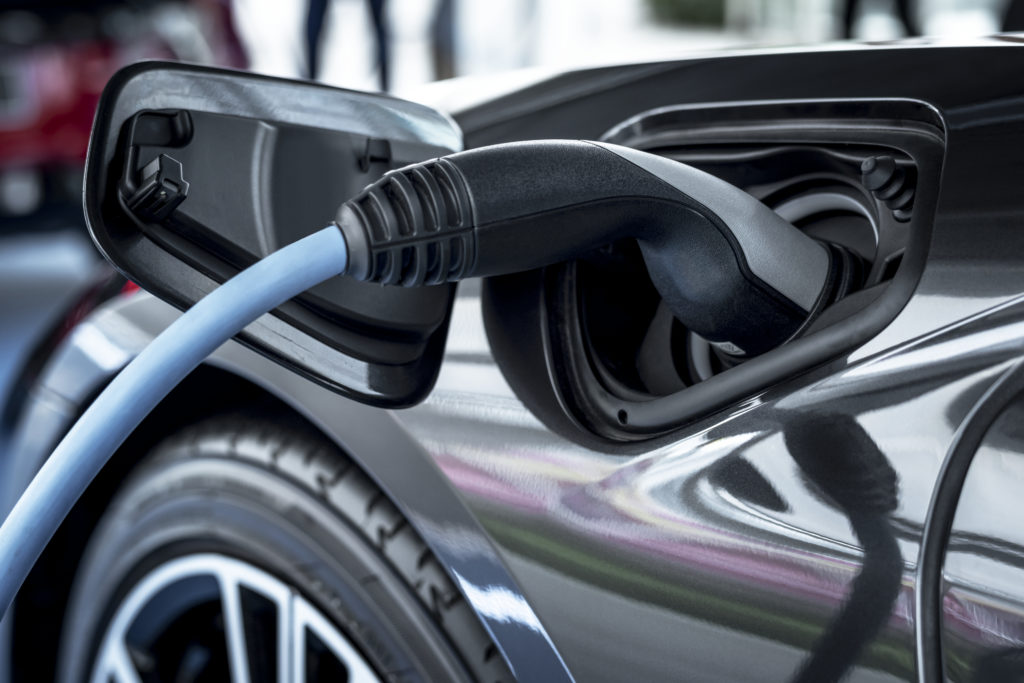
Collision forces can cause internal structural damage, hairline cooling channel fractures, or sensor faults within the high-voltage battery enclosure. Kaizen Collision Center Scottsdale utilizes Tesla’s proprietary Tesla Toolbox 3 diagnostic platform to conduct end-to-end diagnostic evaluations:
- Comprehensive DTC Scanning: Full Diagnostic Trouble Code interrogation across all electronic control units (ECUs), pyrofuse circuits, and Battery Management Systems (BMS).
- Battery Enclosure Structural Integrity Check: Physical and optical inspection of the battery pack under-tray, skid plates, and sealing gaskets for micro-cracking, intrusion, or breach.
- Cell Module Voltage & Thermal Balancing: Verifying individual cell voltage gradients and cooling loop flow rates before vehicle delivery.
- Post-Repair Crash Sensor & Isolation Testing: Measuring mega-ohm isolation resistance between the high-voltage bus and chassis ground to verify factory road readiness.
Preserving Your Tesla Factory Warranty & Resale Value
Repairing an electric vehicle at an uncertified facility using non-OEM parts or improper welding techniques can void your Tesla New Vehicle Limited Warranty and High-Voltage Battery & Drive Unit Warranty. As a Tesla Approved Body Shop, Kaizen guarantees that all repairs strictly follow Tesla factory engineering bulletins, preserving 100% of your factory warranty coverage and vehicle equity.
Precision ADAS Sensor, Radar & Optical Camera Recalibration
Your vehicle’s active safety and autonomous driving systems depend on sub-millimeter camera and radar alignment. Any collision repair—including bumper replacement, fender repair, or suspension realignment—requires comprehensive ADAS recalibration.
Tesla’s Autopilot, Full Self-Driving (FSD), Automated Emergency Braking (AEB), and Lane Departure Avoidance rely on an intricate sensor network, including forward-facing radar, LiDAR sensors, ultrasonic transducers, and multi-camera optical arrays (windshield tri-focal cameras, B-pillar cameras, and front/rear repeater cameras).
Our Two-Stage OEM Calibration Protocol:
- Stage 1: Static Target Board Calibration: In our dedicated, level ADAS calibration bay with uniform high-CRI lighting, laser alignment systems position OEM-specified optical target boards and radar reflectors at vehicle-specific distances and pitch/roll/yaw angles.
- Stage 2: Dynamic On-Road Calibration Drive Cycles: Technicians execute factory software-guided drive cycles under specific speed, lane, and lighting conditions to enable the vehicle’s neural net to calibrate camera focus, optical flow, and depth perception.
Every ADAS calibration is digitally validated and accompanied by an official diagnostic certificate confirming your vehicle’s safety systems are functioning to factory specifications.

Frequently Asked Questions: Tesla & EV Repair in Scottsdale
What is the typical turnaround time for Tesla and EV collision repairs in Scottsdale?
Turnaround time varies based on damage severity and OEM parts requirements. Minor cosmetic repairs, paintless dent removal, and bumper replacements are typically completed in 3 to 7 business days. Major structural repairs involving high-voltage de-energization, structural aluminum frame pulling, self-piercing riveting, and dual-stage ADAS recalibration generally take between 2 to 3 weeks. As an official Tesla Approved Collision Center with priority access to Tesla parts distribution, Kaizen Scottsdale significantly minimizes repair delays compared to non-certified shops.
Does repairing my Tesla or EV at Kaizen preserve my factory vehicle and battery warranty?
Yes, 100%. Having your vehicle repaired at a certified facility like Kaizen Collision Center Scottsdale completely preserves your Tesla New Vehicle Limited Warranty and High-Voltage Battery & Drive Unit Warranty. We adhere strictly to Tesla OEM repair manuals, use authorized structural adhesives and rivets, and document every repair phase within Tesla’s certified network. Repairs conducted at non-certified shops can compromise safety and void factory warranty coverage.
Do you exclusively use genuine OEM Tesla parts for collision repairs?
Yes. As a Tesla Approved Body Shop, Kaizen Collision Center sources 100% genuine Tesla OEM structural components, body panels, glass, wiring harnesses, and safety hardware directly from Tesla. We never use imitation, aftermarket, or salvaged structural components, ensuring your vehicle maintains its factory crashworthiness, crumple zone design, and fitment.
What high-voltage safety disconnect procedures do you perform before beginning repairs?
Before any structural or cosmetic work begins, our certified technicians follow NFPA 70E electrical safety protocols. We disconnect the manual service disconnect (MSD) or low-voltage pyrofuse loop, apply Lockout/Tagout (LOTO) padlocks, and verify zero voltage using CAT IV 1000V rated insulated multimeters and Class 0 1000V protective gloves. Thermal imaging cameras also scan the high-voltage battery enclosure to ensure there is no risk of thermal runaway.
Why is ADAS camera and radar recalibration mandatory after electric vehicle collision repair?
Tesla Autopilot, Full Self-Driving (FSD), and active safety features rely on millimeter-precise camera and radar alignment. Any collision impact, bumper removal, or windshield replacement alters sensor angles. Even a fractional variance can shift sensor targeting by several meters down the roadway, creating severe safety risks. Kaizen performs static laser target board calibration and dynamic on-road drive cycle validation to restore factory safety standards.
Can any auto body shop repair a Tesla or electric vehicle in Scottsdale?
No. Electric vehicles require high-voltage safety certifications, dedicated cleanroom aluminum repair bays to prevent galvanic corrosion, hydraulic self-piercing rivet tooling, and proprietary diagnostic software (Tesla Toolbox 3). Standard auto body shops lack this specialized infrastructure. Choosing an official Tesla Approved Body Shop like Kaizen ensures your vehicle is repaired to uncompromising factory safety standards.
What Our Customers Have to Say
-
“I had such a painless experience here. Great Work! Paint looks amazing. They also detailed my car! The car finished a day earlier than planned too. The text updates are great. Would definitely recommend to anyone needing body work. Thank you!!”
- Kristen V. Paradise Valley, AZ

-
Great customer service, work completed on time, very reasonable on cost of repairs. If I need a car repaired in the future, Kaizen is where I will go.
- Michelle Willenborg
-
George is super knowledgeable and gave me way better quotes than most competitors in Yuma County. I want to thank George for helping me and for taking the time to listen and actually provide information on what my car needed.
- Priscilla Rosas
Schedule Your Tesla or Electric Vehicle Repair in Scottsdale
Experience factory-certified EV collision repair with genuine Tesla OEM parts, certified technicians, and full warranty preservation. Request your free computerized estimate today.
Get a Free Estimate